
School Groups
The Travelling Classroom
One-week intensive language programmes for school groups in France, Italy or Austria
16 or 20 lessons of 45 minutes each
For groups of 12 students or more
“The Traveling Classroom” is our intensive language week program for school groups. This highly successful program continuously adapts to changes in curricula and educational goals. It is tailored to the needs of different types of schools and individual schools. This makes an intensive language week with Pierre Overall a valuable and lasting learning experience for all participants.
What the Programme Includes
Host Family & Half Board
Transfers & Excursions
On-site support
Travel Organisation
Course certificate aligned with the CEFR
Language courses with qualified teachers
Benefits for Students
Overcoming barriers to speaking by discovering the local country, culture and people
Improving language skills through daily immersion in the language
Boosting motivation and helping students achieve better results at school after an intensive language week
Developing personal responsibility, adaptability and problem-solving skills
Fostering independence and self-confidence
Learning to navigate an unfamiliar environment and developing intercultural awareness
Creating memories, making friends, and building international connections
Growing in maturity and gaining valuable experiences on the journey into adulthood
Benefits for Project Managers/Schools
Travel, Accommodation, Lessons and Activities – All from One Provider
Competitive Prices with Direct Booking
Programmes tailored precisely to your needs
Simple invoicing
Direct Communication
A valuable complement to language lessons at school
Strengthening class spirit and teamwork
Our Destinations


The Programme at a Glance
“The Traveling Classroom” with Pierre Overall is much more than just a valuable supplement to language instruction at school back home: In addition to deepening students’ language skills, it also offers them an opportunity for personal growth, individual maturation, intercultural openness, taking on personal responsibility, finding their bearings in a new environment, and discovering the world. In short: it provides valuable support as they grow into adulthood.
Languages: French, German, or Italian
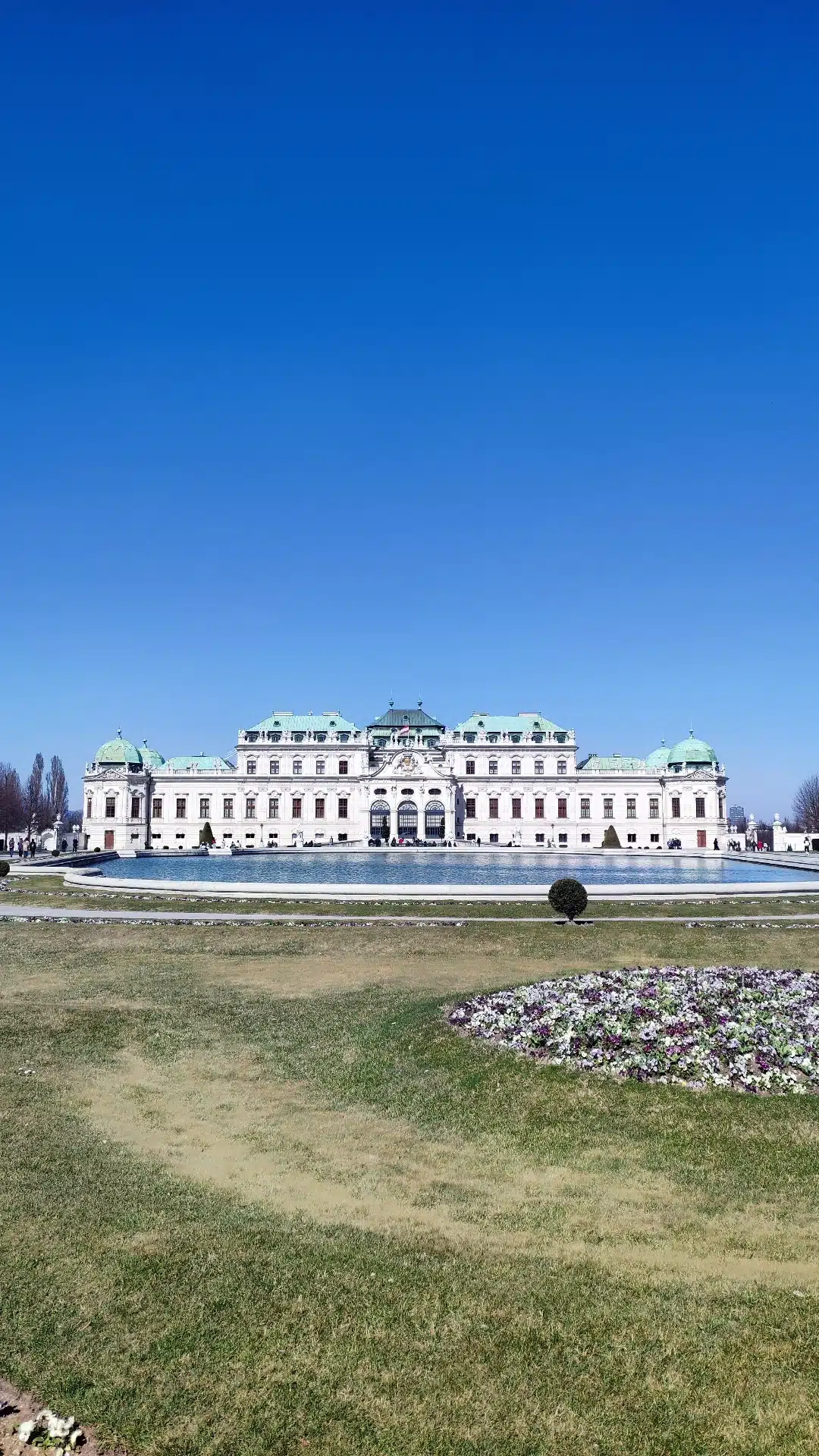
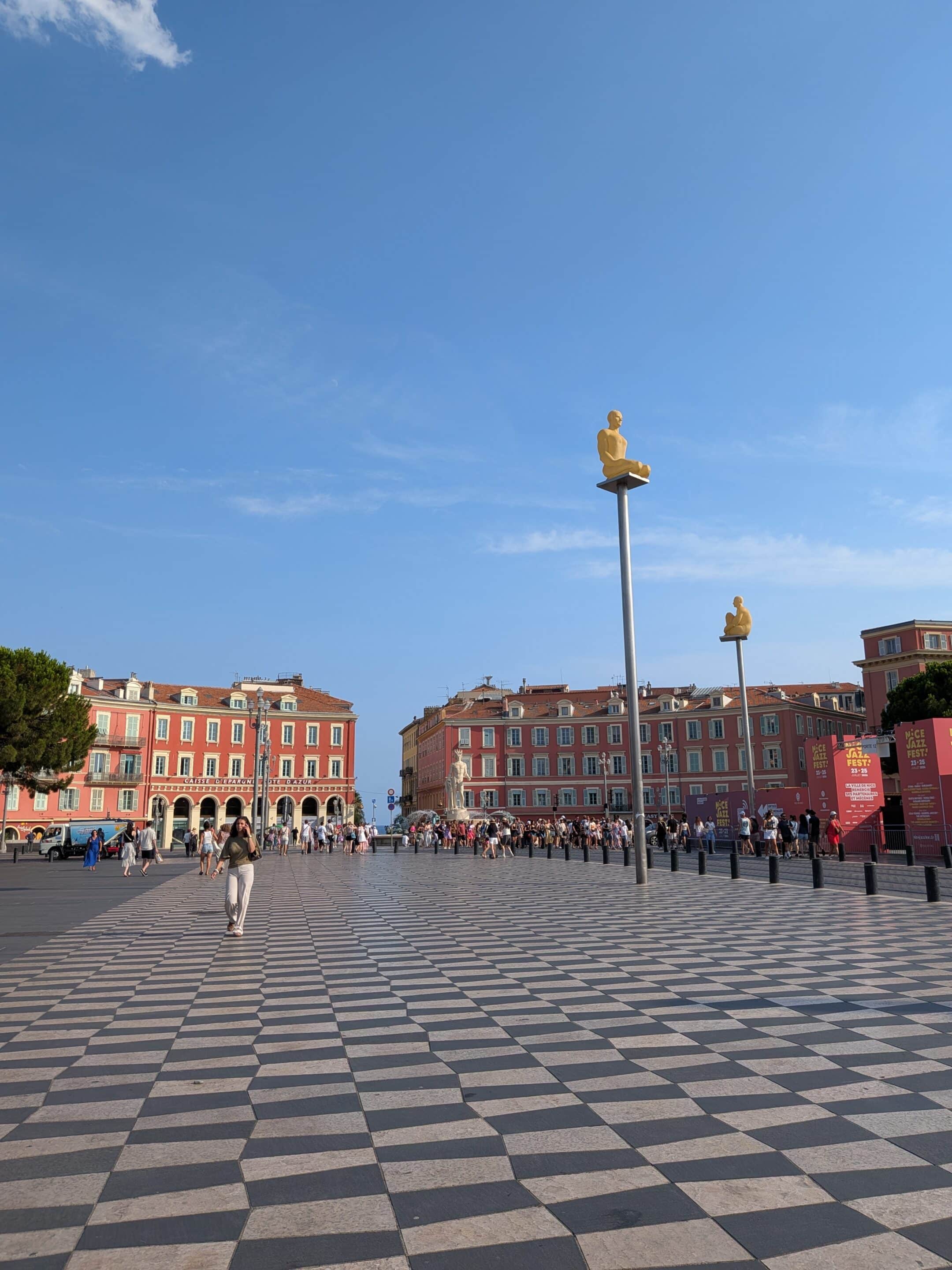
Destinations: Cannes, Nice, Antibes, Paris, or Versailles (France); Vienna or Vienna-Perchtoldsdorf (Austria); La Spezia (Italy)
Participants: 12 students minimum (smaller groups quoted on request).
Duration: 6 days / 5 nights or 7 days / 6 nights; dates to be determined by the teacher or school
Accommodations for students: Private accommodations (host families) with half-board (breakfast and dinner); double or triple rooms, depending on the students' preferences.
Host families are carefully selected in person at each destination. Any relevant allergies or food intolerances reported in advance will be taken into account.
Accommodations for teachers: hotel, single room, breakfast, or—at some destinations—a single studio without meals.
Classes: 16 lessons (45 minutes each) spread over 4 days, or 20 lessons (45 minutes each) spread over 5 days.
Lessons take place in closed groups of 12–15 students and are taught by qualified teachers (FLE/DAF/ILS). The programme can be tailored to meet specific educational requirements.
On completion of the course, each participant receives a certificate indicating the level of instruction provided, in accordance with the Common European Framework of Reference for Languages (CEFR).
Travel Organisation:
Pierre Overall – Pierre & Sprachferien GmbH holds all the official licenses required of a tour operator, as well as insolvency insurance, and organizes the trip for “The Traveling Classroom” under the best possible conditions.
Simply let us know your preferred date, the number of participants, and any other preferences, and we'll send you a detailed quote shortly.
Frequently Asked Questions
How many accompanying teachers should come along, and how much does it cost?
Depending on the students’ age and maturity, as well as the scope of the project programme, we recommend one accompanying teacher for every 10–15 students.
At our course locations, accompanying teachers receive support from our local staff.
The costs for accompanying teachers comprise the net costs of travel, hotel accommodation with breakfast and public transport tickets.
What criteria are used to select host families?
Host families can be private households of all kinds: single older or younger women or men, single parents, traditional families, older married couples, etc. For us, the term “host family” is synonymous with “private household.” Hosts who wish to host our exchange students apply to us—or are recommended to us by existing hosts. We visit each host family in person before they host a student from us and clarify mutual expectations. We require a clean criminal record. On our part, it is important to treat the students with hospitality. The living space must allow for some privacy. Beds, pull-out couches, or sofa beds must be available for sleeping arrangements. The home should generally be neat and clean. Shared use of the bathroom and toilet must be possible. Conversely, host families can expect respectful and polite guests who respect the hosts’ privacy and personal preferences. We address complaints about host families immediately and find a solution. If necessary, we will take appropriate action and no longer assign that host family. Conversely, we report serious misconduct by students to the accompanying teachers and—if necessary—to the school administration.
What happens if a student has allergies, intolerances or special requirements?
Any special needs, allergies, or intolerances that are relevant to the stay must be reported to us in advance. We can always find a solution. We find suitable hosts and pass this information on to them. The students in question then discuss their needs again with their hosts on site. In cases of physical or mental disabilities that require, for example, accessibility or special care, accommodation in a private home is usually not possible. In this case, we offer hotel accommodations together with the supervisor or with fellow students.
How do arrival arrangements work, and what is the best way to travel to our destination?
In most cases, hosts meet their guests at the arrival point and take them home. In the rare cases when guests arrive during the day on a weekday and their hosts are at work, luggage is stored until the group can meet their host families.
When travelling during the day, students may be tired on arrival in the evening, but they will be fresh and well rested and ready for lessons the following day. After an overnight journey, students are generally tired and less engaged on the day of arrival. Any savings on accommodation are therefore rarely enough to justify the disadvantages.
Depending on the destination and when the booking is made, an overnight train or a flight may be the cheaper option. As prices vary considerably depending on the season, we’ll be happy to advise you and make the booking on your behalf.
Still have questions? We’ve gathered the most frequently asked questions about our language trips.
Planning an Intensive Language Week?
Tell us a little about your class: your school, preferred destination, group size and preferred dates. We’ll send you a no-obligation quote, usually on the same day.
Reply within 24 hours · Free of charge and without obligation